Coloring Page Graphics for Editorial and Web Publishing
As a seasoned blog designer and digital publisher, I often evaluate new graphic design assets with a critical eye. The Coloring Page is one such asset that caught my attention—not just for its aesthetic appeal, but for the potential it brings to content publishing workflows. From featured images to downloadable resources, this design element can significantly enhance visual communication when used thoughtfully.
A Playful Yet Professional First Impression
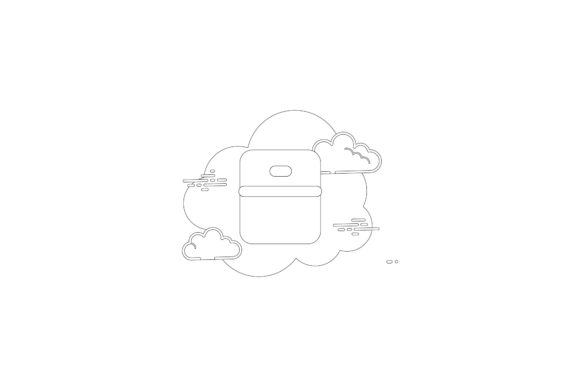
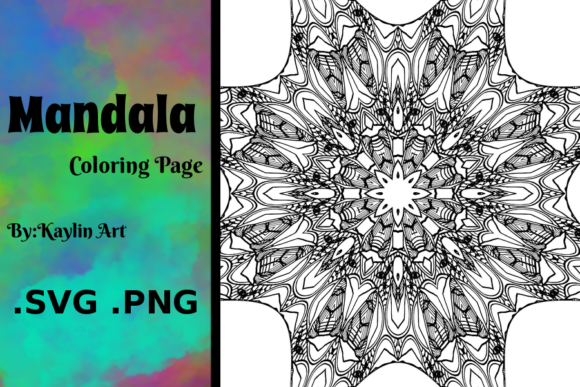
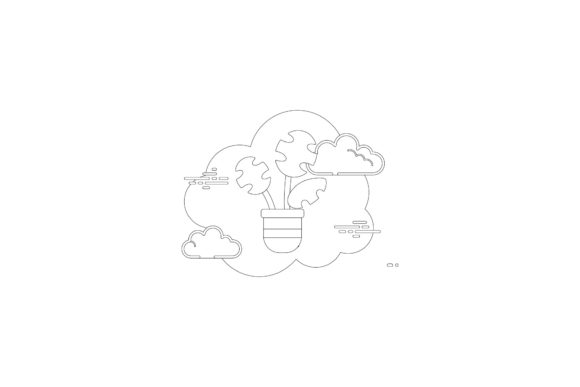
The Coloring Page immediately evokes a sense of creativity and engagement. Its stylized illustrations offer an artistic flair that bridges the gap between casual lifestyle content and professional editorial work. Depending on the theme, it can feel whimsical or refined—perfect for niches like wellness, parenting, creative writing, or even seasonal marketing. The mood it sets is warm, inviting, and visually stimulating, making it ideal for content creators who want to build reader trust through aesthetics without appearing overly commercial.
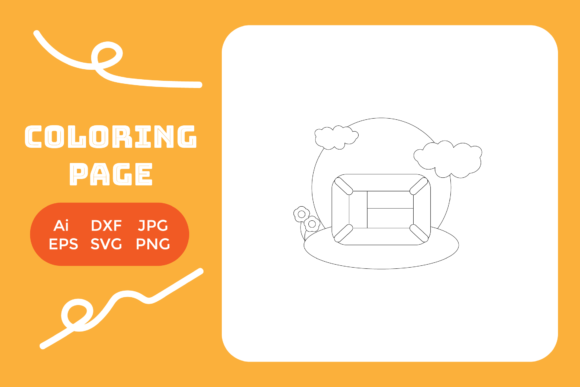
Its canvas size of 1920 px X 1280 px ensures it’s ready for high-quality display across most web platforms, especially in hero sections or as Pinterest pins. The availability of multiple file formats—AI, EPS, SVG, DXF, JPG, and PNG—makes it versatile for both vector-based editing and raster-based applications. As someone who frequently works with Canva templates and Adobe tools, I appreciate having options that accommodate different workflows and design preferences.
Editorial Applications: Elevating Content Layouts
In editorial layouts, the Coloring Page serves as an excellent accent. Whether it’s a decorative border around a quote, a background for a sidebar widget, or a visual separator between sections, it adds subtle texture and personality. For website owners looking to maintain a consistent brand identity, this asset helps reinforce a creative and approachable tone.
- Blog Headers: Use it as a header for posts about mindfulness, art therapy, or DIY activities. It creates a stronger first impression and aligns well with lifestyle-focused content.
- Pinterest Visuals: The large canvas and clean lines make it perfect for vertical pins. Readers are more likely to click on something that feels handcrafted and engaging.
- Newsletter Banners: Incorporate it into newsletter headers for themed issues like “Creative Breaks” or “Seasonal Inspiration.” It supports better click-through potential by standing out from generic stock graphics.
- Lead Magnets & Digital Guides: A Coloring Page can be transformed into a printable PDF or worksheet. This makes it a great lead magnet for email lists or part of a digital product bundle.
Supporting Content Marketing and Affiliate Work
For affiliate marketers and content creators focused on driving traffic and conversions, the Coloring Page can be a strategic tool. When paired with clear, concise headlines and CTAs, it enhances visual hierarchy and guides readers’ eyes toward key elements. It's particularly effective in categories like kids' products, self-care, or educational materials where a personal touch matters.
If you're running a small blog or a niche website, this asset can help differentiate your content from competitors using basic stock images. It supports a stronger visual identity and improves category recognition, which is crucial for SEO and user experience alike.
Performance-Driven Design for Real Websites
One of the biggest advantages of the Coloring Page is how it contributes to the overall performance of a page. Here’s how it can support real-world content publishing goals:
- Stronger First Impressions: The design draws attention quickly due to its unique illustration style. This is essential for websites competing for visibility in crowded feeds or search results.
- Visual Hierarchy: When layered beneath text or used as a background, it helps create depth and structure. This is especially useful for article thumbnails or social media previews.
- Click-Through Potential: In social media and newsletter contexts, the playful nature of the asset encourages interaction. It stands out in a scroll-heavy environment and invites curiosity.
- Brand Consistency: If your brand uses soft pastels or minimalist line art, the Coloring Page can act as a recurring motif across your site, supporting a cohesive look.
- Reader Trust: High-quality, original graphics like these communicate professionalism and care. Readers are more likely to trust content that looks polished and intentional.
Where to Place It Strategically
The Coloring Page shines brightest in specific areas of your content publishing strategy. Here are some of the top placements:
- Hero Images: Pair it with a bold headline to introduce a post or landing page with a creative edge.
- Article Thumbnails: Use it as a base for thumbnails to add visual interest and improve shareability.
- Content Upgrades: Embed it into worksheets or printables to boost conversion rates and provide added value.
- Category Visuals: Apply it to organize content sections—like a "Creative Ideas" tab—with a unified visual language.
- Social Media Previews: Customize it for Instagram Stories, Facebook posts, or Twitter cards to maintain a fresh yet familiar look.
Use with Caution: Limitations and Best Practices
While the Coloring Page is a powerful addition to many content projects, there are scenarios where it might not perform optimally:
- Small Mobile Thumbnails: The intricate details may get lost at smaller resolutions. Always test how it scales down before finalizing any layout.
- Text-Heavy Blog Images: Avoid placing too much copy over the asset unless contrast and legibility are carefully managed. Text should always take priority in readability.
- Low-Contrast Backgrounds: If you’re using a muted color palette, consider adding a semi-transparent overlay to ensure text remains readable.
- BUSY LAYOUTS: In complex designs with multiple elements, the Coloring Page could become visually overwhelming. Use it as a focal point rather than a filler element.
- Corporate or Minimalist Niches: While adaptable, this asset leans toward a more expressive and decorative style. It may clash with very serious or ultra-minimal branding systems.
Practical Tips for Implementing Coloring Page Assets
To maximize the impact of the Coloring Page, here are some actionable steps every digital publisher should follow:
- Test Across Devices: Preview it on desktop and mobile screens to ensure it maintains its visual strength in all contexts.
- Thumbnail Check: Resize it to see how it appears as a thumbnail. Will it still grab attention? Does it convey the right message?
- Layout Integration: Place it within a real blog layout or website header to assess how it interacts with other design elements.
- Headline Compatibility: Overlay sample headlines to confirm that the coloring page doesn’t interfere with legibility or brand messaging.
- Contrast and Readability: Especially important if you plan to use it in social media graphics or banners. Ensure text has enough space and contrast against the design.
- Black and White Testing: Some platforms render images in grayscale. Make sure it still holds up without color.
- Font Pairing: Try it beside various font styles—serif, sans serif, script, handwritten, and display fonts—to find the best match for your brand voice.
- File Size Optimization: Since it’s available in vector formats (AI, EPS, SVG), use those for scalable quality. But for web use, compress JPG/PNG versions to avoid slowing down page load times.
- Commercial Licensing: Before using it on monetized sites, affiliate pages, or paid digital products, double-check the commercial license. Many assets from creative marketplaces require proper attribution or usage rights for revenue-generating purposes.
Why Choose Coloring Pages Amp for Your Next Project
The Coloring Pages Amp collection offers a range of ready-to-use graphics tailored for modern web and editorial needs. With six file types and a uniform canvas size, it simplifies the integration process for publishers working across platforms—from WordPress blogs to Canva templates and beyond.
This asset isn’t just about aesthetics; it’s about creating an emotional connection with your audience. It naturally supports niches that thrive on creativity, storytelling, and community-building. Whether you’re designing a digital guide for beginners or crafting an eBook cover for a mindfulness course, the Coloring Page provides a foundation that feels both authentic and professional.
Final Thoughts on Creative Graphic Design Assets
Graphic design assets like the Coloring Page are more than just visuals—they’re tools for storytelling and engagement. When chosen wisely and implemented correctly, they can transform the way your content is perceived online. They help establish brand identity, improve editorial flow, and create clickable, memorable visuals that stand out in a sea of sameness.
So, if you're looking to elevate your blog graphics, enrich your digital downloads, or inject a bit of charm into your content marketing efforts, the Coloring Page is worth considering. Just remember to test, adapt, and align it with your overall design strategy. Used smartly, it can be a valuable asset in your creative toolkit.