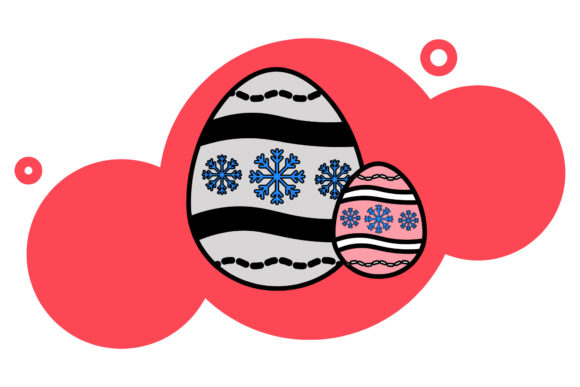
Easter Egg Style Scalloped Edge Review for Real Embroidery Projects
As an experienced embroidery designer and product reviewer, I often find myself sifting through a wide range of digital designs to determine which ones are worth adding to my project toolkit. Recently, I came across the Easter Egg Style Scalloped Edge, a graphics-based design in the freebies category that immediately caught my eye. Let me walk you through how this design feels in real-life applications, what it brings to the table, and where it might need some extra attention.
First Impressions: Whimsy Meets Sophistication
The Easter Egg Style Scalloped Edge is a decorative graphic that brings a touch of springtime cheer with its soft curves and elegant scalloping. The layout is clean and symmetrical, making it visually appealing right from the start. It doesn’t scream “holiday,” but instead whispers a subtle sense of celebration—perfect for those who appreciate understated charm over loud visuals.
This design’s visual personality leans into a vintage-inspired aesthetic, reminiscent of traditional lace or hand-cut applique work. It’s not too fussy, but still intricate enough to add dimension without overwhelming the rest of your embroidery. The detail level is moderate; while it includes fine scallops and rounded edges, it avoids overly complex elements that could lead to stitching issues. This makes it a solid candidate for a variety of handmade products and personalized gifts.
Ideal Project Match
I can see this design fitting naturally into several categories. For example, when designing a custom tote bag for a boutique line, the Easter Egg Style Scalloped Edge could serve as a delicate border around a central motif like a floral arrangement or monogram. Similarly, it would be a great addition to baby clothes or nursery decor, where gentle, whimsical patterns are often preferred. Its shape also makes it suitable for framing embroidered text or logos on sweatshirts, caps, or even pillow covers.
Real-Life Performance: From Hoop to Fabric
Embroidery isn’t just about how a design looks on screen—it’s about how it translates to fabric. The Easter Egg Style Scalloped Edge performs reasonably well in most standard embroidery situations, especially when used as a decorative border or accent. It works best with satin stitch or running stitch techniques, depending on the desired texture and density.
- Custom Apparel: When applied to a sweatshirt or t-shirt, this design adds a refined edge without becoming too busy. Just make sure the central design is bold enough to stand out against the scalloped frame.
- Tote Bag Design: As a border element, the scalloped edge gives a finished look to the corners or sides of a tote, especially if paired with a minimalist logo or name.
- Baby Embroidery: On items like onesies, bibs, or blankets, the design brings a soft, playful touch. It complements pastel color palettes and simple motifs beautifully.
- Holiday Gifts: The Easter theme makes it ideal for seasonal projects such as gift tags, ornaments, or tea towels. It adds a festive flair without being too literal.
- Commercial Embroidery: If you’re planning to use this in a small shop product line or for Etsy listings, it can help elevate the perceived value of your items. However, since it’s offered as part of the Freebies collection, be cautious about using it in commercial settings unless licensing confirms it’s permitted.
What stands out is how this design enhances the overall presentation of an embroidered patch or label. The scalloped effect creates a polished perimeter that helps the main design pop more clearly. It’s also useful for digital embroidery files meant for printable mockups, where the soft curves and structured repetition give a professional finish to your previews.
Visual Appeal and Customer Perception
From a buyer’s perspective, the Easter Egg Style Scalloped Edge contributes to a product's handmade presentation. It suggests care and craftsmanship, especially when paired with other delicate or nature-inspired elements. Customers tend to respond positively to designs that feel intentional yet not overdone, and this one strikes that balance well.
However, there are limitations. Because it lacks bold contrast or strong geometric features, it may not stand out as much on darker fabrics. If you're working with a black or navy base, consider using thread colors that offer high visibility. Also, its subtlety means it might get lost if layered with too many other patterns or if placed on a curved surface like a cap or hat.
Where to Use With Caution
While the Easter Egg Style Scalloped Edge is versatile, it does have specific constraints that every embroiderer should consider before committing it to a project.
- Small Hoop Sizes: The design’s width and curvature mean it needs adequate space to stitch cleanly. Without checking the recommended hoop size (which isn’t specified here), it might end up looking cramped or distorted.
- Textured Fabrics: Knits, felt, or denim can cause stitch tension issues, especially if the design has tight curves or overlapping lines. A good stabilizer will help, but testing first is key.
- Stretchy or Thin Materials: Stretch can affect stitch integrity, and thin materials may show through unwanted gaps or distortion. Always test on scrap before going full-scale.
- Dark Backgrounds: Thread colors won’t pop as effectively on dark bases. Consider using metallic or light-colored threads for better visibility.
- Products That Need Frequent Washing: Dense areas or tight curves may pill or fray over time, especially if stitched with low-quality stabilizer or on stretchy fabrics.
Design Notes for Pros
If you’re an embroidery designer or craft business owner, here are a few practical tips to keep in mind when working with the Easter Egg Style Scalloped Edge:
- Test First: Before applying the design to a final product, always stitch it onto scrap fabric to assess how it behaves with your machine, thread, and stabilizer choices.
- Check Stitch Density: Make sure the spacing between stitches is appropriate for the fabric you're using. Too loose and it may look incomplete; too tight and it could distort the material.
- Confirm Hoop Size: Since the exact hoop requirements aren’t listed, measure the design’s width and compare it to your available hoops. Oversizing or undersizing can compromise the final result.
- Use Proper Stabilizer: Especially important for stretchy or delicate fabrics. A tear-away or cut-away stabilizer can prevent puckering and ensure clean lines.
- Thread Color Contrast: Choose thread colors that complement your base fabric and main design. Subtle shades may work for a cohesive look, but bold contrasts can enhance recognition and giftability.
- Review Light vs. Dark Mockups: If you’re preparing printable mockups for digital product sellers, test how the design appears on both light and dark backgrounds to ensure it remains legible and attractive.
- Licensing Check: Remember, since it’s labeled as a Freebie, always confirm whether it’s allowed for commercial use. You don’t want to run into legal issues later.
Project Suggestions and Best Uses
Here are a few real-case scenarios where the Easter Egg Style Scalloped Edge shines:
- Wedding Gift Accents: Frame a monogram or short phrase with this scalloped edge to create a romantic and elegant embroidered gift tag or box embellishment.
- Personalized Baby Items: Wrap a tiny name or symbol in the scalloped border for a sweet, cohesive look on onesies, burp cloths, or baby hats.
- Nursery Decor: Add it as a border around embroidered wall art or hanging mobiles for a soft, decorative touch.
- Tea Towels & Aprons: The scalloped edge works well as a trim along the top or bottom of these kitchen essentials, giving them a homey, artisanal appeal.
- Handmade Tote Bags: Combine it with a larger central design or logo to give the tote a curated, upscale appearance.
Its versatility makes it a good fit for both personalized gifts and small shop merchandise, especially if you're aiming for a cottage-core or bohemian style. The design supports brand consistency by offering a soft, recognizable pattern that can be reused across different products.
Final Thoughts for Makers and Sellers
The Easter Egg Style Scalloped Edge is a thoughtful and aesthetically pleasing design that can significantly improve the visual appeal of your embroidery project. It’s particularly effective when used as a border or frame for other motifs, helping to draw attention and add a refined touch.
But don’t let the beauty fool you—this is not a “set it and forget it” file. It requires attention to detail, especially when considering fabric type, hoop size, and thread contrast. As a graphics file, it’s compatible with vector-based editing tools like Adobe Illustrator thanks to the included AI, EPS, SVG, and DXF formats. This allows for customization in scale, color, and placement, which is essential for craft fair products or digital product previews.
For hobbyists and creative entrepreneurs, this design is a nice addition to your freebie stash. It can be used sparingly to elevate the quality of your handmade products, while also serving as a valuable asset in your design assets library for future commercial embroidery jobs.
Ultimately, the Easter Egg Style Scalloped Edge is a design that adds character and charm when used thoughtfully. Whether you're an apparel decorator, embroidery file seller, or simply someone who wants to personalize their own creations, this pattern can bring a touch of elegance to your work—if you know how to use it right.