Autism Puzzle Plaid: A Unique Graphic Design Asset for Crafts and Creative Projects
As a graphic designer who regularly works with branding, print-on-demand assets, and visual storytelling, I often find myself evaluating design elements for their versatility, emotional resonance, and technical performance. Recently, I reviewed the Autism Puzzle Plaid, a digital vector file that comes in SVG, PDF, EPS, and PNG 300 dpi formats. This design is marketed as ideal for DIY projects like mugs, T-shirts, cards, posters, and more. But does it truly hold up under the scrutiny of professional use? Let’s dive into its strengths and limitations from a real-world creative perspective.
A First Glance at Autism Puzzle Plaid
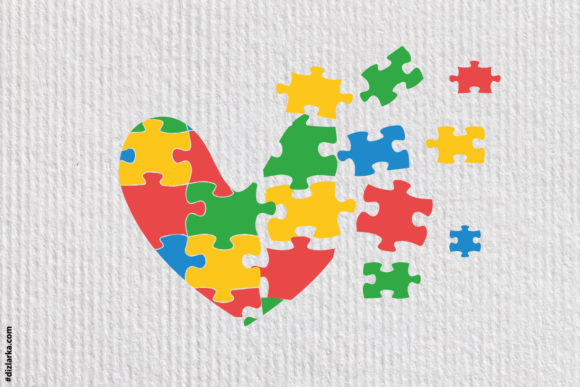
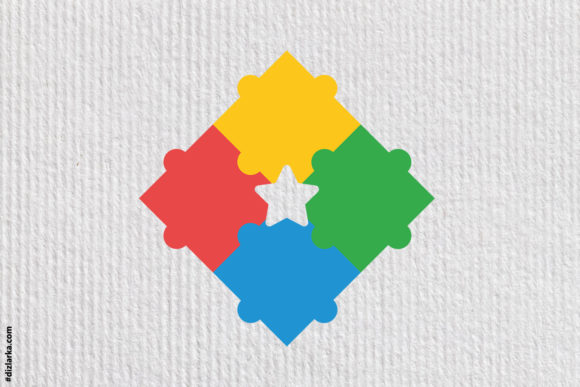
The first thing I noticed about Autism Puzzle Plaid is its symbolic and thematic clarity. It features the classic puzzle piece icon associated with autism awareness, stylized within a plaid pattern—something that immediately suggests warmth, community, and inclusivity. The color palette is soft yet distinct, using muted tones with subtle gradients to create a gentle, approachable aesthetic. As a designer, this kind of detail speaks volumes. It tells me that the asset was crafted with intention, not just for visual appeal but also for emotional impact.
What stands out most is how the plaid texture complements the puzzle motif without overwhelming it. It feels modern but grounded, making it adaptable across various design contexts. Whether you’re creating an Etsy product or editorial content for a blog post on inclusive communities, this design has a voice that can be both subtle and powerful when used correctly.
Where Autism Puzzle Plaid Shines
This design excels in large layout areas where the plaid pattern can breathe and the puzzle element remains legible. Think hero graphics for campaigns, full-bleed packaging details for handmade products, or decorative accents on oversized posters and wall art. Its layered structure allows for depth in visuals while maintaining a cohesive theme.
In terms of printable designs, the high-resolution PNG and scalable vector formats make it suitable for merchandise such as t-shirt design, mug prints, tote bags, and stickers. For Cricut users or those working with sublimation techniques, the clean lines and minimal overlap are a boon—they allow for easy customization and layering without distorting the core message of the design.
I tested it on several mockups and found it particularly effective for themed collections. If a small business is launching a line centered around neurodiversity or mental health awareness, this could serve as a key brand identity element. It adds a sense of authenticity and purpose, especially when paired with thoughtful typography and supporting imagery.
Design Use Cases and Practical Application
- Product Mockups: Applied to t-shirts, mugs, and canvas bags, the design holds up well in both light and dark colorways. Just ensure the contrast between the plaid and the base color is sufficient for visibility.
- Social Media Graphics: On Instagram posts and Pinterest pins, the Autism Puzzle Plaid functions best as a background element or overlay in larger compositions. In smaller sizes, however, the intricate plaid may lose definition and become less readable.
- Editorial Design: Used in magazine layouts or blog headers, it brings a contemporary feel that aligns with modern design trends focused on empathy and representation.
- Web Design: As part of a website header or sidebar graphic, it contributes to a welcoming atmosphere. But avoid placing it over busy backgrounds where it might get lost visually.
- Cricut Projects: Ideal for die-cutting and vinyl applications. The SVG format is fully editable, allowing for resizing and re-coloring without loss of quality.
- Print Art and Sticker Design: The puzzle motif makes it stand out in craft shops and creative marketplaces. It's especially popular among indie artists and makers looking to infuse social meaning into their work.
When to Use Autism Puzzle Plaid Carefully
While Autism Puzzle Plaid is a strong contender for many design scenarios, there are instances where it may not be the best fit. Small text-heavy layouts, such as product labels or minimalist logo designs, can suffer if the plaid pattern is too dominant. Similarly, corporate materials or formal presentations that require a polished, no-nonsense look may not align with the playful yet meaningful vibe of this design.
Another consideration is its performance in monochrome settings. When converted to black and white, the plaid loses some of its visual interest. However, it still retains enough structure to remain recognizable. Always test it in grayscale before finalizing for print or web, especially if your client requires accessibility compliance or wants to explore alternative uses.
Visual Hierarchy and Brand Consistency
One of the challenges I encountered was integrating the Autism Puzzle Plaid into a cohesive visual hierarchy. Because it contains multiple elements—both pattern and symbol—it needs careful placement to avoid competing with primary content. In brand identity systems, I recommend using it as a supporting element rather than a central one unless the brand style is intentionally expressive and eclectic.
For clients aiming to build a long-term brand presence, this design works well as part of a seasonal campaign or limited-edition product line. It brings attention without overshadowing other design components, which is crucial for maintaining visual trust and recognition over time.
Emotional Appeal and Audience Engagement
From a marketing standpoint, Autism Puzzle Plaid taps into a growing demand for inclusive and socially conscious design. It’s a visual metaphor that resonates deeply with audiences who value diversity and representation. When used appropriately, it can elevate a project from generic to meaningful, helping businesses connect with a broader audience.
That said, the emotional tone of the design must match the project’s overall narrative. It leans toward hopeful and supportive, which is great for awareness campaigns or community-focused initiatives. But if your client’s brand voice is more serious or avant-garde, this asset may not align perfectly.
Designer Notes and Best Practices
- Test in Black and White: Especially important for printed materials or grayscale environments.
- Check Contrast on Light and Dark Backgrounds: The softer hues may not pop on darker substrates; consider adjusting colors for optimal visibility.
- Preview at Small and Large Sizes: Confirm legibility and clarity across different scales, especially for digital ads or mobile-first designs.
- Place on Real Mockups: Use tools like Canva templates or Adobe Photoshop to simulate how it looks on actual products like mugs or tote bags.
- Test Print Quality: Ensure that when printed, the patterns don’t bleed or pixelate, particularly on fabric or heat-transfer materials.
- Review File Formats: The SVG and EPS files offer excellent scalability and editability, perfect for customizing in Illustrator or similar software. The PNG provides transparency options for overlay use.
- Compare With Font Styles: Pair it with a sans-serif font for a clean look, or a handwritten script to enhance its personal, community-driven feel.
- Confirm Commercial Licensing: Before incorporating it into any client project or selling it as part of a design bundle, verify the commercial license terms. Some assets restrict resale or mass production, so this is essential for legal and ethical workflows.
Final Thoughts for Professional Design Work
Autism Puzzle Plaid is more than just another clipart-style illustration—it’s a thoughtfully constructed graphic design asset that can bring both visual and emotional weight to your work. As a designer, I appreciate how it bridges the gap between crafts and commercial design, offering flexibility without sacrificing meaning.
If you're working on a project that values symbolism, community, and a warm visual mood, this design could be a valuable addition to your toolkit. Just remember to treat it with the same care you would any other illustration or brand element. Test thoroughly, understand its limitations, and always align it with the project’s overall tone and objectives.
Ultimately, Autism Puzzle Plaid isn’t a one-size-fits-all solution—but when used strategically, it can help you create more engaging, authentic, and impactful designs for your clients and their audiences.