Help for Autists Graphic Design Asset Review: A Crafts & Graphics Seller’s Perspective
As a digital product creator who frequently shops for graphics and illustrations to incorporate into my own print-on-demand and Etsy offerings, I’ve learned to evaluate design assets with both creative and commercial lenses. When I first came across Help for Autists, it immediately caught my attention—not just for its visual appeal, but for the potential it holds in a range of DIY and digital products. This graphic design asset is a DIGITAL VECTOR FILE available in SVG, PDF, EPS, and PNG 300 dpi formats, which already tells me it’s built with versatility and scalability in mind.
First Impressions and Niche Appeal
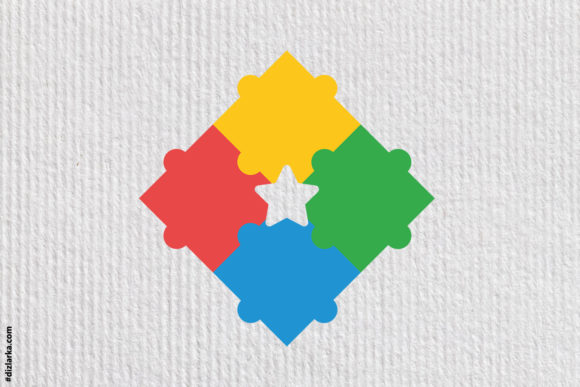
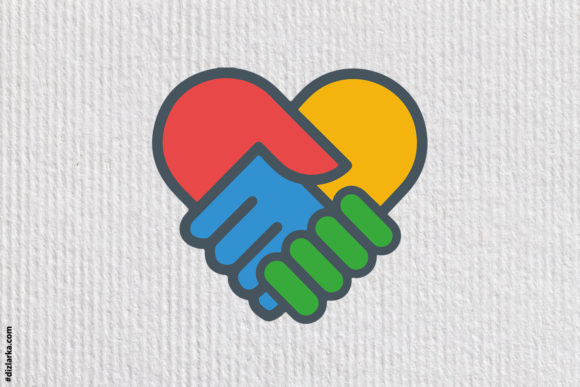
The mood of Help for Autists feels both supportive and empowering. It carries a tone that resonates well with neurodiverse communities and their allies, making it ideal for those looking to create meaningful, socially conscious designs. The visual personality is clean and approachable, leaning toward modern minimalism with subtle character. It doesn’t scream for attention, yet it commands presence—something you want in a design that needs to work across multiple platforms and products without losing its message or aesthetic.
This kind of illustration appeals to a thoughtful audience. If your shop focuses on inclusive, empathetic, or educational themes, this asset could be a perfect fit. It also has a strong emotional component that can help build customer trust, especially if you're targeting parents, educators, or advocates within the autism community.
Testing Across Product Types
Before committing to use Help for Autists in a product listing, I always test how it looks across different applications. Here are some scenarios where I've found this design to perform well:
- SVG Products: The vector format ensures crisp edges and clean lines, which is crucial for Cricut projects and Silhouette cutting machines. Whether you're making stickers, decal wraps, or embroidered patches, this design maintains quality at scale.
- PNG Designs: The 300 dpi resolution makes it suitable for high-quality prints. For items like mugs, tote bags, or posters, the transparency and detail hold up nicely when overlaid on different textures and colors.
- Print Art & Wall Decor: As a standalone illustration or part of a themed bundle, it works beautifully as a printable art piece. Its simplicity allows it to blend into many home decor styles without overwhelming the viewer.
- Planner Stickers & Greeting Cards: The design has enough personality to stand out in a sticker pack but isn't too busy to clash with other elements. It fits well into minimalist or soft-toned planner kits.
- T-Shirt and Tumbler Wraps: Because of its clear focal point and balanced composition, it translates well onto clothing and drinkware. Just make sure to consider color contrast when placing it on darker bases.
I’ve tested it on a few mockups myself and found that it adapts well to both casual and premium product aesthetics. It can be used in handmade-style craft bundles or in more polished commercial designs alike.
Product Presentation Tips
When selling any design-based product, presentation matters. Help for Autists offers a solid foundation for creating professional-looking listings:
- Mockup Previews: Use high-res PNGs to show how the design looks on actual merchandise. Mockups of mugs, cards, and wall art really highlight the design's clarity and purpose.
- Thumbnail Appeal: Because the subject is emotionally engaging and visually distinct, it stands out even at small sizes. That makes it great for Etsy thumbnails or Shopify collection images.
- Brand Consistency: If your brand aligns with inclusivity or mental health awareness, this illustration can reinforce your identity across multiple listings and templates.
- Visual Storytelling: Pair it with short, impactful copy to tell a story about support, understanding, and community. This helps buyers connect with the design beyond just its appearance.
One thing I appreciate is how easy it is to integrate into cohesive product bundles. Think of pairing it with related clipart or illustrations for a complete “Inclusive Living” theme. It gives customers a reason to buy more than one item and builds value through curation.
Where This Design Shines
Help for Autists excels in several key areas:
- Large Product Previews: Its detail and clarity come through best on bigger canvases like posters or canvas prints.
- Themed Bundles: Ideal for collections around self-care, advocacy, or special needs awareness. It adds depth and relevance to a curated set.
- Decorative Layouts: Especially in nursery prints or decorative wall art, the illustration brings warmth and intentionality.
- Printable Products: From digital paper packs to scrapbooking kits, it functions well as a central image or accent element.
- Social Media Promos: Use it in blog headers, Instagram stories, or Facebook posts to communicate your message visually and professionally.
It’s also a strong candidate for Canva template sellers looking to offer ready-to-use layouts for greeting cards, invitations, or social media content. The design is simple enough to not compete with text but detailed enough to feel intentional.
Use With Caution
While Help for Autists is versatile, there are a few situations where I’d advise careful consideration:
- Tiny Sticker Details: Some aspects of the design might lose clarity when scaled down significantly.
- Crowded Thumbnails: Avoid overloading your preview images with too much information or clutter; let the design breathe.
- Dark Backgrounds: Check how the colors render on black or navy surfaces. You may need to tweak layering or add a white background for better visibility.
- Complex Layouts: Don’t force it into overly intricate compositions where it might get lost among other elements.
- Text-Heavy Templates: If your design requires a lot of overlay text, ensure the illustration doesn’t become a distraction or compromise readability.
If you're planning a Cricut project, double-check the SVG file for accurate cut lines. While most vector files are reliable, it’s always wise to test before mass-producing.
Practical Seller Notes
Here are a few real-world steps I recommend before publishing any product using Help for Autists:
- Test the design on multiple product mockups (white and dark backgrounds).
- Preview it as an Etsy thumbnail or Shopify card to see how it performs at smaller sizes.
- Confirm that the PNG version has transparent layers if needed for layered designs or overlays.
- Inspect SVG cut quality if you plan to use it in Cricut or Silhouette projects.
- Verify the file resolution is appropriate for your intended print size.
- Pair it with fonts that complement its tone—serif or sans serif fonts work well for readability, while script or handwritten styles can add a softer, more personal touch.
- Check the commercial license to ensure you’re allowed to resell finished products or use it in digital downloads.
Organizing your design files clearly is another must. Group them by format (SVG, PNG, etc.) and include notes on recommended uses, so your customers know exactly how to apply the asset effectively.
Final Thoughts for Digital Sellers
In today’s competitive creative marketplace, having a design that connects emotionally while maintaining visual professionalism is rare. Help for Autists does just that. It’s a graphic design asset that supports a wide range of crafts and graphics, from t-shirt designs to Canva templates, and it does so with a quiet strength that speaks volumes.
For small business owners and creative entrepreneurs, this illustration is more than just a pretty picture—it’s a tool that can elevate your product line and attract a loyal customer base. But remember, every design should be tested before launch. Use it across your favorite platforms, see how it responds to different formats and audiences, and adjust accordingly.
If you're building a seasonal collection or expanding your digital download offerings, this is a solid addition to your portfolio. Just make sure to pair it with the right fonts, colors, and contexts to truly showcase its potential.