Cute Fruit Kawaii - Pear for Real Embroidery Projects
As an experienced embroidery designer and product reviewer, I always take a moment to evaluate any new design before it hits the hoop. Cute Fruit Kawaii - Pear caught my eye with its playful charm and clean lines, but like all good designers know, looks are only part of the story. Let’s dig into what this graphics-based machine embroidery design can bring to your next handmade project — or where you might want to tread carefully.
A Sweet First Impression
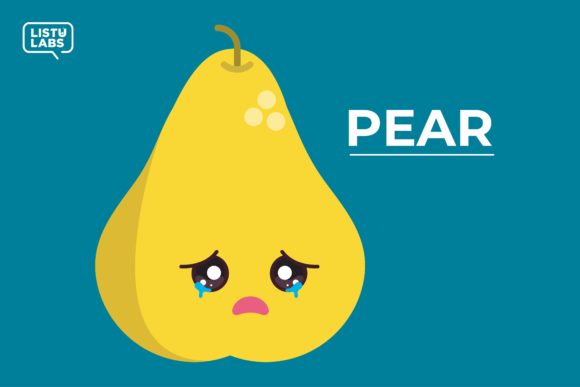
The first thing that stands out about Cute Fruit Kawaii - Pear is its personality. It’s not just a pear — it’s a stylized, cartoon-like interpretation with soft curves, subtle shading, and a whimsical aura. The shape feels approachable and cheerful, making it ideal for projects targeting children, beginners, or anyone looking to add a touch of fun to their stitch work.
This design is clearly crafted for visual appeal more than technical complexity. It lacks intricate detailing or tight corners, which makes it forgiving for less experienced users. But for seasoned embroiderers, it's the kind of piece that can be elevated with thoughtful color choices and fabric pairing.
What Mood Does It Create?
- Kawaii vibe: Perfect for creating a cute, youthful aesthetic.
- Playful yet elegant: The rounded edges and minimalist style make it feel both lighthearted and sophisticated.
- Universal appeal: It doesn’t scream at you — instead, it invites you in with gentle charm.
Real-Life Project Fit
Let’s imagine we’re preparing a custom embroidered tote bag for a boutique line. This is a common scenario for many crafters and Etsy sellers. Cute Fruit Kawaii - Pear could work beautifully here, especially if you're aiming for a soft, pastel-themed collection. Its simplicity allows it to stand out without overwhelming the viewer, and the smooth contours translate well into satin stitches or simple fill patterns.
I’ve used similar kawaii-style designs on sweatshirts and baby clothes, and they tend to resonate well with parents and gift buyers. For a sweatshirt embroidery, this pear could sit nicely above the pocket or down the side, depending on the layout. On a baby item, it adds a sense of innocence and sweetness that aligns perfectly with nursery themes.
If you're thinking of using it as an embroidered patch, the design’s lack of fine details works in its favor. Patches often need to maintain clarity when viewed from a distance, and this pear holds up well under those conditions. However, if you plan to use it in holiday gifts or seasonal décor, consider how the colors will look against different backgrounds. A pear in bright hues may pop on a dark Christmas sweater, while muted tones might get lost.
Where It Shines
- Tote bags: Great for adding a personal or branded touch.
- Boutique products: Works well on aprons, pillow covers, or kitchen towels.
- Personalized gifts: Ideal for monogrammed items or small decorative accents.
- Digital embroidery files: The included AI, EPS, SVG, and DXF formats offer flexibility for editing and scaling.
When to Be Careful
While Cute Fruit Kawaii - Pear has a lot going for it, there are certain situations where it may not perform optimally. Here are some real-world considerations:
Small Hoop Sizes
This design isn’t compact by nature. If you're planning to fit it into a tiny hoop, say for a button or a small accessory, you’ll need to scale it down significantly. Doing so might reduce the clarity of the shapes and distort the proportions. Always test the scaled version on scrap fabric before committing to a final product.
Textured or Stretchy Fabrics
Embroidering on stretchy materials like knits or textured fabrics such as denim requires careful planning. The design’s smooth curves may pull unevenly if not properly stabilized. Use a cutaway stabilizer for knits to prevent distortion, and consider reducing stitch density slightly on thicker fabrics to avoid puckering.
Dark Fabric Backgrounds
The pear design is best suited for light-colored fabrics. On darker materials, thread colors may lose contrast and appear washed out. Before stitching, run a quick black-and-white mockup to see if the design remains legible and visually appealing.
Curved Surfaces
Projects like caps or curved patches present unique challenges. The pear’s shape is fairly symmetrical, but warping effects can still occur. Make sure to adjust the design for the surface curvature or choose a simpler placement area, like the front of a hat rather than the brim.
Visual Appeal vs. Stitching Clarity
One of the strengths of Cute Fruit Kawaii - Pear is how it balances visual appeal with stitching clarity. It doesn’t have overly dense areas, so it won’t strain your machine or cause heat damage. That said, if you’re aiming for a bold look, you can experiment with stitch types — try a combination of satin stitch for the body and running stitch for the stem and leaves.
For handmade product creators, this means you can adapt the design to suit different styles and price points. A minimalist stitch version might be perfect for a casual tote, while a richer, multicolored execution could elevate a high-end personalized gift.
Customer Trust and Brand Consistency
In the world of craft business and Etsy sellers, consistency is key. Using a design like Cute Fruit Kawaii - Pear repeatedly across products can help build brand recognition. Its friendly, non-threatening look is great for shops targeting young families, kids' clothing lines, or seasonal holiday embroidery collections.
However, be cautious if you're trying to create a professional or premium image. While the design is charming, it leans toward casual and may not align with more mature or luxury branding. Always consider your audience and whether the design supports your overall aesthetic.
Designer Notes for Practical Use
Before integrating Cute Fruit Kawaii - Pear into a production run or client project, here are some practical steps to ensure success:
- Test on scrap fabric: Especially if you're using a new material or thread palette.
- Check thread color contrast: Ensure it stands out against your chosen background.
- Review stitch density: Adjust as needed for different fabric weights and textures.
- Confirm hoop size: Don’t assume — verify the design fits within your intended dimensions.
- Inspect small details: Though this design is relatively simple, every element should be clear and intentional.
- Use proper stabilizer: Prevent shifting and puckering during stitching.
- Check licensing: Since it’s a freebie, make sure it’s permitted for commercial use before selling finished items or digital assets.
Final Thoughts for Crafters and Business Owners
Cute Fruit Kawaii - Pear is a solid choice for a wide range of embroidery projects, particularly when you want to infuse a little joy into your small shop product. It’s versatile enough to work on custom apparel, aprons, and even nursery decor, but it’s not a one-size-fits-all solution. Its charm lies in its simplicity, but that same simplicity means it needs smart implementation to truly shine.
As a reviewer who’s seen countless graphics turned into machine embroidery designs, I appreciate when a file brings something fresh to the table. This pear does just that. Just remember to tailor it to your specific needs — from fabric type to stitch count — and you’ll find it to be a valuable addition to your creative toolkit.